


Milaidhoo Sustainability Initiatives
Every island has a story, but not every story begins with a promise. Milaidhoo’s does.
Before a single piece of timber was laid, before the curved rooflines took shape against the sky, this small island in the Baa Atoll UNESCO Biosphere Reserve was exactly as nature intended – lush, uninhabited and ringed by a coral reef teeming with life.
When the Maldivian family who owned this patch of paradise decided to open it to guests, they faced a choice that shapes every resort built in a fragile marine environment: build around the island or build with it.
Milaidhoo chose the second path. And that choice – made years before ‘sustainability’ became an industry buzzword – is the quiet thread running through everything the island does today.
A comprehensive environmental impact assessment was carried out before construction even began, and every recommendation from that report has been followed ever since. Local materials replaced concrete. Curved, organic villa shapes were designed to follow the natural contours of the island rather than impose upon them. The result wasn’t just a beautiful resort, it was a resort that belonged to its surroundings from day one.
A Maldives luxury resort built on respect, not excess
Walk around Milaidhoo and you’ll notice something refreshingly absent: excess. No looming structures interrupting the skyline, no manicured landscapes fighting against the natural terrain. Instead, there’s space, simplicity and an architecture that lets the island breathe.
This matters more than it might first appear.
In the Maldives, where entire islands can be reshaped to fit a brand’s vision, Milaidhoo did the opposite – it shaped itself around what was already here. Villas were built around trees. Thatched roofs, natural wood floors and custom furnishings made by Maldivian craftsmen aren’t just aesthetic choices. They’re a quieter footprint, a slower pace of construction and a deep respect for the materials and skills of the local community.
It’s the kind of luxury that doesn’t need to announce itself. And it sets the tone for everything that’s followed.
Where sustainability meets daily life
For many resorts, sustainability initiatives can feel like a separate department – a list of policies tucked away in a folder. At Milaidhoo, it’s harder to draw that line, because caring for the island has simply become part of how things are done.
Clean by design
At the heart of the island sits a water and sewage treatment plant, ensuring that nothing contaminates the ocean that guests come here to enjoy. Treated greywater is repurposed wherever possible – a small detail that guests rarely see, but one that makes a significant difference to the health of the lagoon just steps from their villa.
Helping coral rebuild
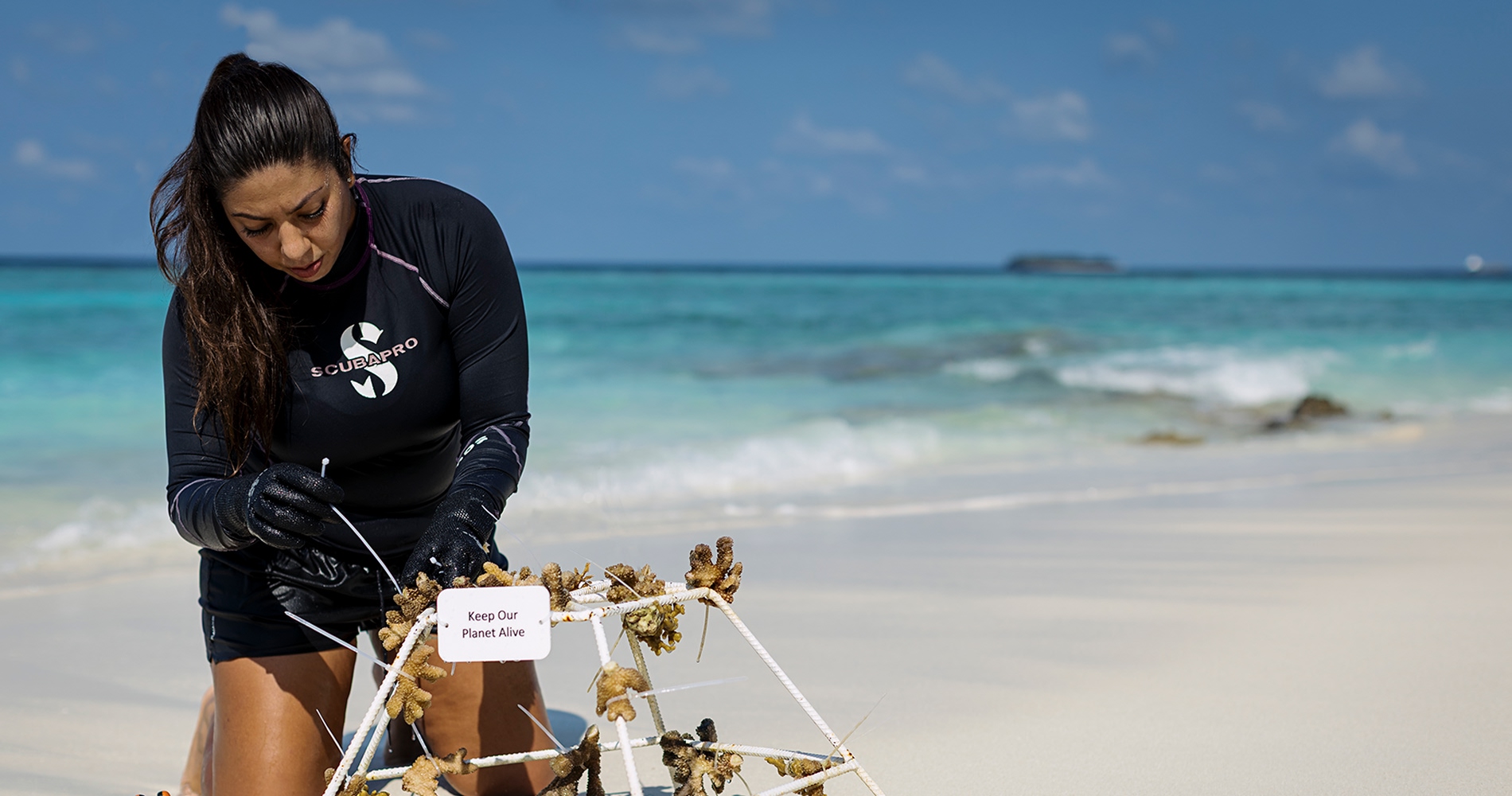
Few experiences capture Milaidhoo’s approach better than its coral regeneration programme. Guests can ‘adopt’ a coral frame, plant it themselves and watch – sometimes over repeat visits, sometimes through photos sent years later – as it grows into a thriving structure that shelters fish, crustaceans and the next generation of coral.
It’s a wonderful way to ask: does Milaidhoo have a house reef? Yes – and a flourishing one. The island’s reef has long supported abundant marine life, and the coral regeneration programme exists to ensure it continues to do so for decades to come.
A shared responsibility
Every member of the Milaidhoo Family – and with over 230 team members representing a wonderful mix of nationalities, predominantly Maldivian – takes a personal pledge to protect the island’s environment. It’s a living commitment that shapes daily routines, from how laundry is washed to how rubbish is sorted.
A few of the everyday practices that quietly add up:
- Accredited, eco-friendly cleaning products are used throughout the island, which is also why dry cleaning isn’t offered – traditional solvents are simply too harsh for this environment
- Lights are switched off when not in use, air conditioning is carefully managed and energy-efficient bulbs are used throughout
- Food waste is composted every second day, with remaining waste sent to Malé for recycling
- Glass water bottles and sustainable packaging have replaced single-use plastics in villas
- Guests can opt for linen and towel changes every other day, a small choice that adds up to a meaningful saving in water and detergents
- Non-motorised options are favoured for lagoon and aquatic activities, keeping the waters as quiet and undisturbed as possible
Maldives marine life worth protecting
Ask any guest what they remember most about their stay, and the chances are it involves the water. This is, after all, one of the best house reef Maldives experiences you’ll find – a living, breathing ecosystem just metres from your villa.
The Baa Atoll is part of a UNESCO Biosphere Reserve, one of the most biodiverse marine environments in the country, and Milaidhoo sits proudly within it. For guests wondering about Maldives resorts in UNESCO Biosphere Reserve locations, this isn’t a marketing label – it’s a designation that comes with genuine ecological significance, and Milaidhoo takes that responsibility seriously.
This is also one of the best places to ask where to see manta rays in Baa Atoll Maldives. The Baa Atoll is internationally recognised for its manta ray population, and Milaidhoo’s in-house marine biologist leads guests through marine talks and conservation experiences that go far beyond a typical snorkelling trip.
Looking ahead, together
Perhaps the most telling thing about Milaidhoo’s approach to sustainability is the language used to describe it – as a promise, not a target to hit or a box to tick. As the island’s marine biologist Nairika puts it: “The ocean is the heartbeat of our planet – nurturing it means nurturing ourselves. Every mindful action we take helps ensure that these waters remain vibrant and full of life.”
That sentiment captures something important about what makes Milaidhoo different. Sustainability here isn’t a department, a campaign or a certificate on a wall – although Milaidhoo proudly holds those credentials too. It’s a continuation of the very first decision made about this island: to build something that belongs here, rather than something that simply sits here.
For guests, that means a stay that feels different – quieter, more connected, more attuned to the rhythms of the natural world. For the island itself, it means a future where the reef keeps growing, the manta rays keep returning and the story that began with an uninhabited, unspoiled island continues for generations to come.
Curious to learn more?
Sustainability at Milaidhoo is woven into every corner of island life, from the materials in your villa to the marine life just beyond your doorstep. If you’d like to discover more about our conservation initiatives, coral regeneration programme and the work we do alongside organisations like the Manta Trust and Green Fins, explore our full sustainability story.
Explore our sustainability initiatives [link to sustainability download – Our Promise document]
Frequently asked questions
1.Where can I see manta rays in the Maldives?
The Baa Atoll, where Milaidhoo is located, is one of the best regions in the Maldives for manta ray encounters. As part of a UNESCO Biosphere Reserve, the waters here support a thriving population of these gentle giants, and Milaidhoo’s marine team runs dedicated experiences and talks to help guests understand and respect these incredible animals during sightings.
2. What are the best Maldives resorts for snorkelling and diving?
The best resorts for snorkelling and diving tend to be those with healthy house reefs and a genuine commitment to marine conservation, not just proximity to good dive sites. Milaidhoo’s house reef has been nurtured through ongoing coral regeneration work, meaning the marine life guests encounter just off the beach is part of an ecosystem that’s actively protected and restored.
3.Where can I see manta rays in Baa Atoll, Maldives?
Baa Atoll is widely regarded as one of the Maldives’ richest marine environments for manta ray sightings, thanks to its UNESCO Biosphere Reserve status. Milaidhoo’s location within the atoll, combined with its in-house marine biologist and conservation-led excursions, makes it a wonderful base for responsible manta ray encounters.
4.What is the best house reef at a luxury resort in the Maldives?
A great house reef isn’t just about what’s visible on day one, it’s about how well it’s protected and how it evolves over time. Milaidhoo’s house reef benefits from an active coral regeneration programme, where guests can adopt and plant their own coral frames, making it a living example of a reef that’s being actively cared for rather than simply observed.
5.Which Maldives resorts are located in a UNESCO biosphere reserve?
Several resorts sit within the Baa Atoll UNESCO Biosphere Reserve, one of the Maldives’ most ecologically significant regions. Milaidhoo is one of them, and its conservation initiatives – from coral planting to marine research partnerships – are designed specifically to protect the biodiversity that earned this region its UNESCO status.
6.Does Milaidhoo have a house reef?
Yes. Milaidhoo’s house reef is one of its most cherished features, ringing the island with a flourishing marine ecosystem that guests can explore directly from the shore. Ongoing coral regeneration efforts help ensure the reef continues to grow and support marine life for years to come.
Recent Posts
Aug 25, 2026
A Love Story
Is Milaidhoo good for honeymooners?
Discover how this adults-focused Maldives island resort combines quiet luxury, a house reef and radical rest.

Jun 11, 2026
Milaidhoo Moments
Milaidhoo Maldives Named Among the World's Best Hotels
Milaidhoo Maldives, 11th May 2026 - Milaidhoo Maldives is delighted to share that it has been recognised in Tripadvisor's® Travellers' Choice® Awards Best of the Best 2026.
May 29, 2026
A Love Story
Small Island, Big Heart
Most people who travel to the Maldives arrive with a version of the same image in their head – turquoise water, overwater villa, total quiet.
May 14, 2026
Stories of a Small Island
Is Milaidhoo Maldives good for wellness travel?
This year on 13 June, the world marks Global Wellness Day – a moment to pause, breathe and remember that taking care of yourself is a necessity, not an indulgence.
May 14, 2026
Milaidhoo Moments
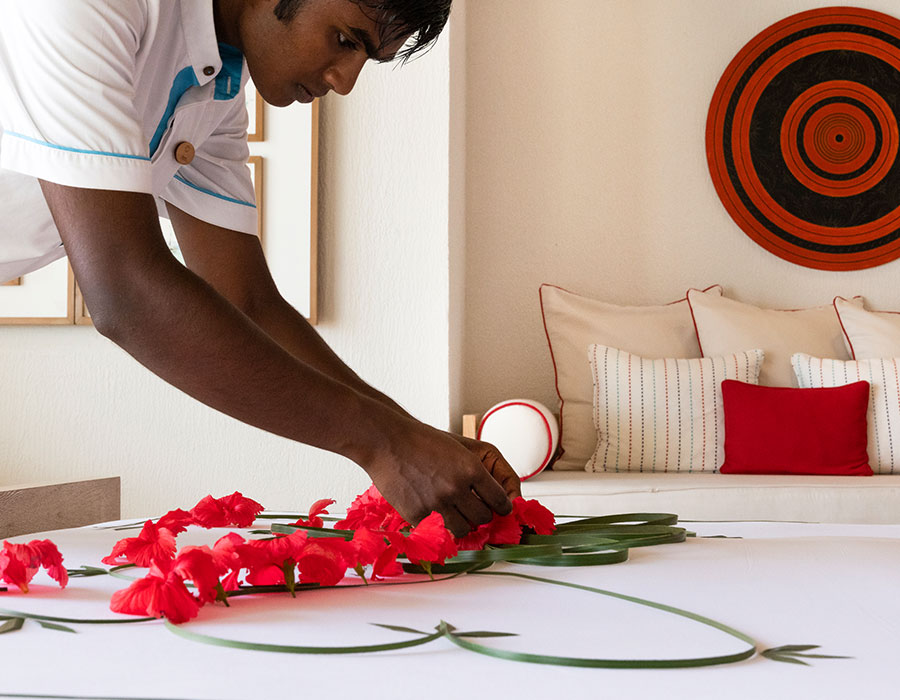
10 Years, 10 Milaidhoo Moments
A letter arrived not long ago from a former guest who had been on holiday at another well-regarded resort in the Indian Ocean, with a long list of credentials.
May 01, 2026
Reinvented Luxury
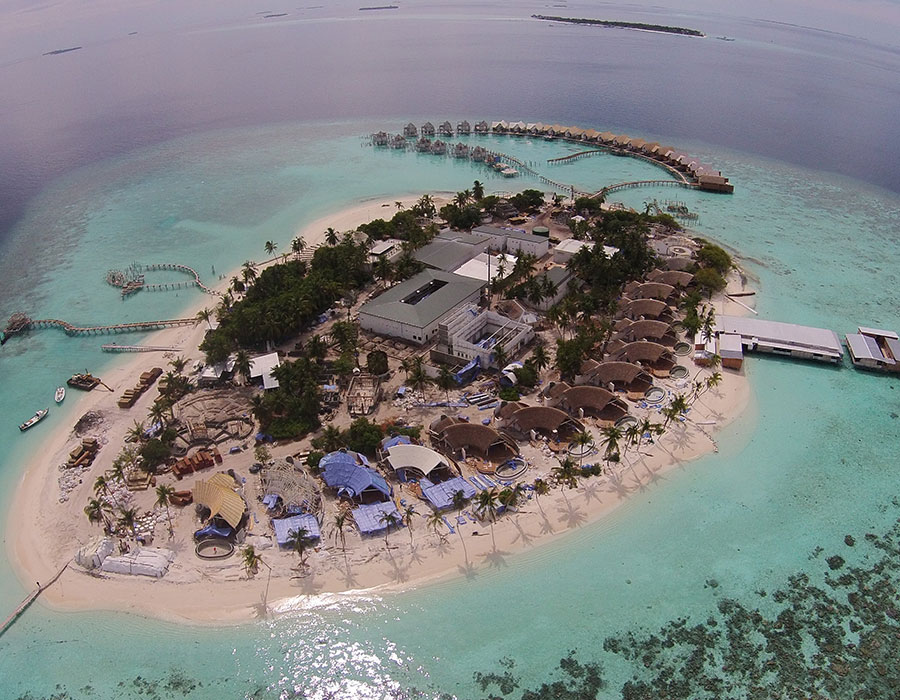
Ten Years of Milaidhoo: The Story of a Small Island
The best luxury resorts don’t announce themselves. They make you feel, immediately, that you’re exactly where you should be. Milaidhoo Maldives.
Apr 14, 2026
A Love Story
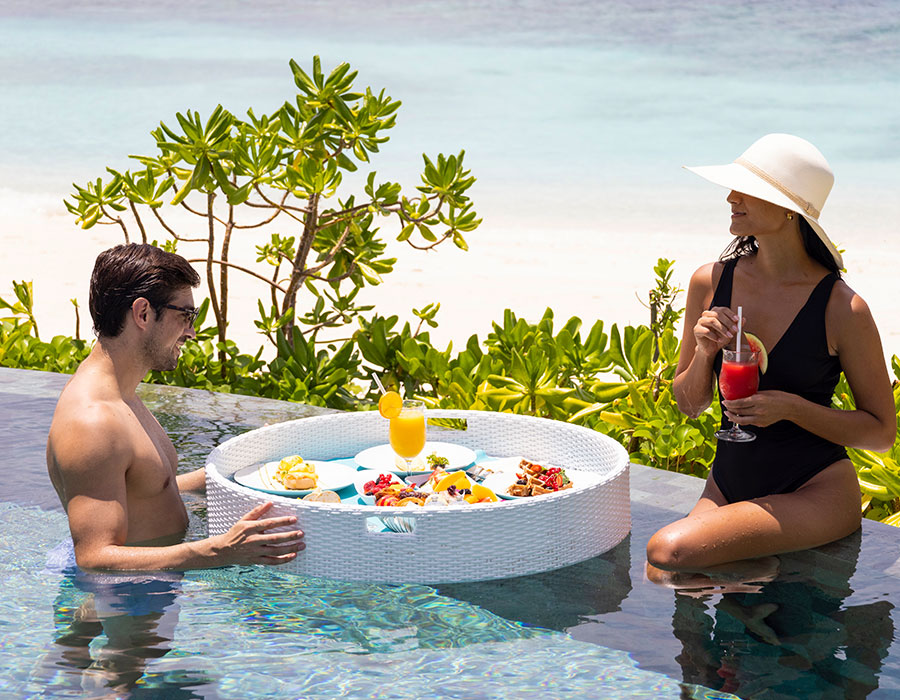
Is Milaidhoo the right Maldives honeymoon resort?
You know what a Maldives honeymoon looks like. You’ve seen it in many travel brochures: a long jetty, an overwater villa, a pool catching the last of the light.
Apr 08, 2026
Milaidhoo Moments
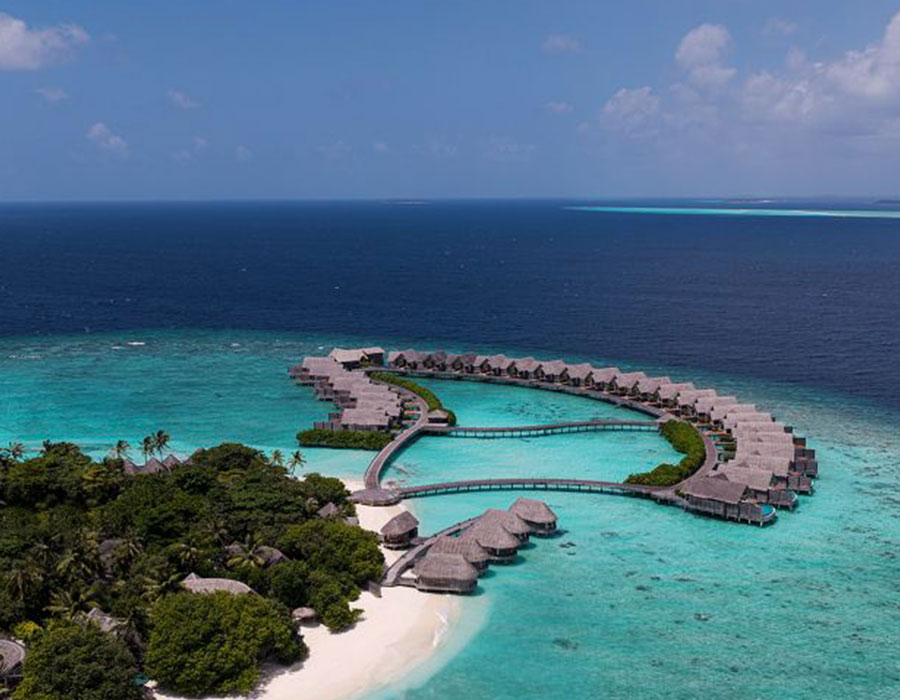
Where tradition finds its soul
You’ve done the research. You’ve scrolled through the photos. You’ve read the reviews that all say some version of ‘paradise’ and ‘unforgettable’.
Mar 25, 2026
Milaidhoo Moments
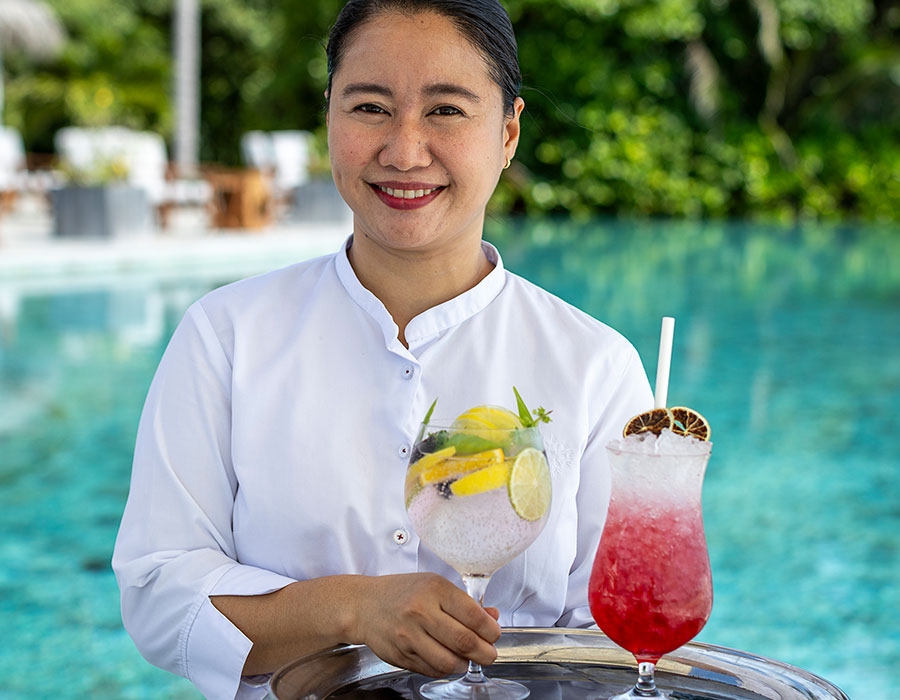
The Milaidhoo Pour
At Milaidhoo, we often say time is the greatest luxury. It’s a sentiment you feel the moment you kick off your shoes and let the soft.
Mar 03, 2026
Milaidhoo Moments
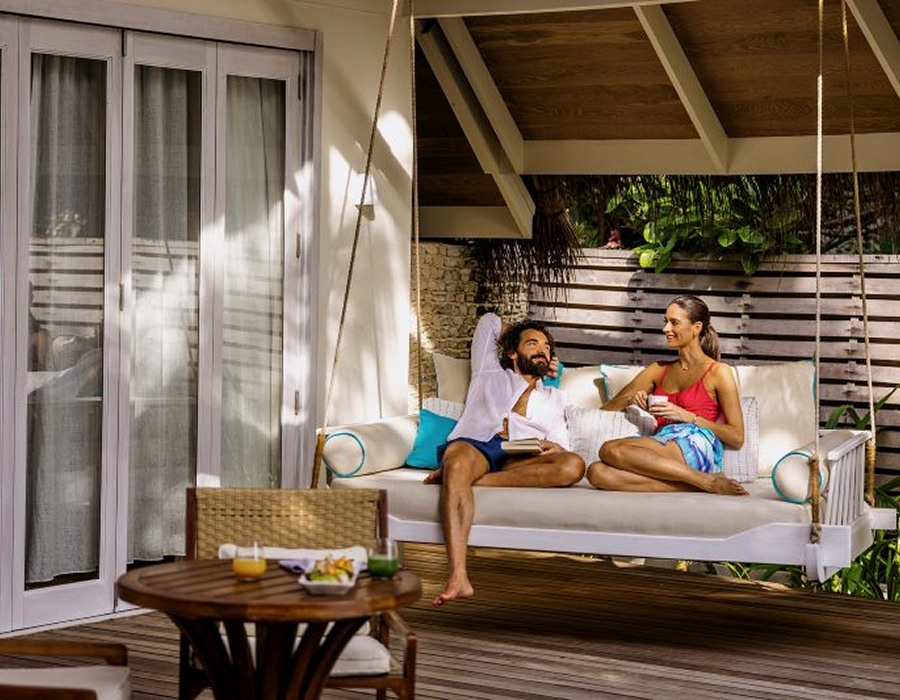
15 Things No One Tells You About Milaidhoo
You’ve done the research. You’ve scrolled through the photos. You’ve read the reviews that all say some version of ‘paradise’ and ‘unforgettable’.
Mar 03, 2026
Milaidhoo Moments
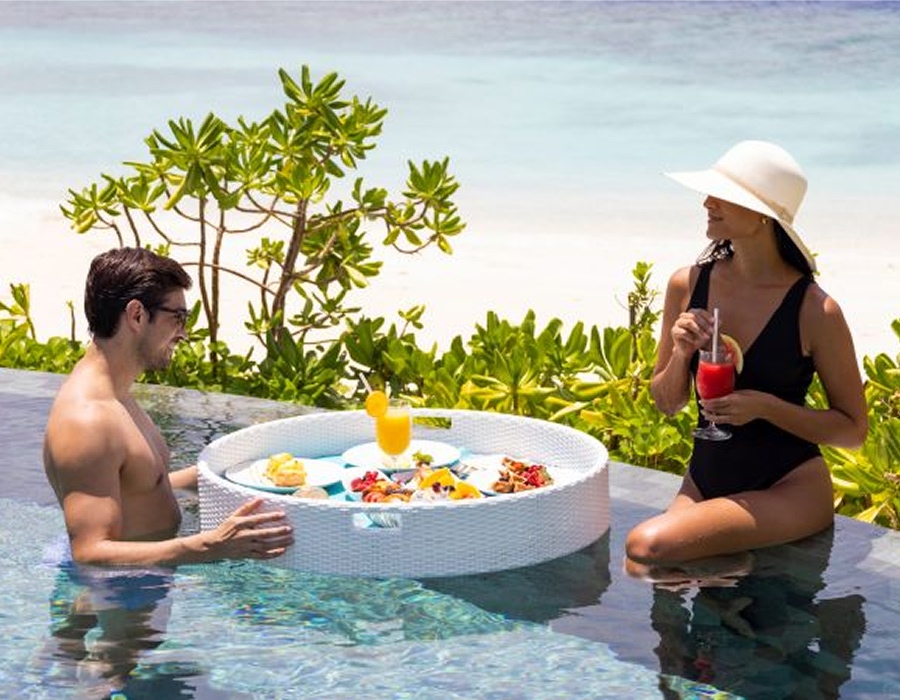
Maldives beyond the bucketlist
Think of the Maldives and your mind likely drifts to a familiar scene: a splash of turquoise on a postcard, a checkbox on a travel list, a ‘once-in-a-lifetime’ dream holiday.
Mar 03, 2026
Milaidhoo Moments
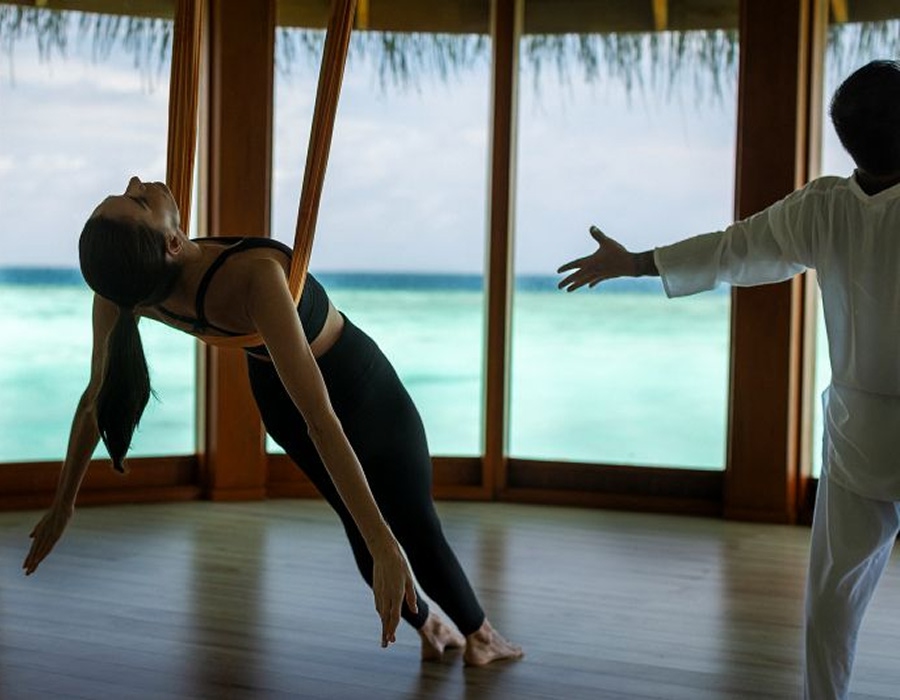
Wellbeing at Milaidhoo: how we do it differently
In a world that constantly asks for more of your attention, Milaidhoo Maldives invites you to turn your gaze outward.